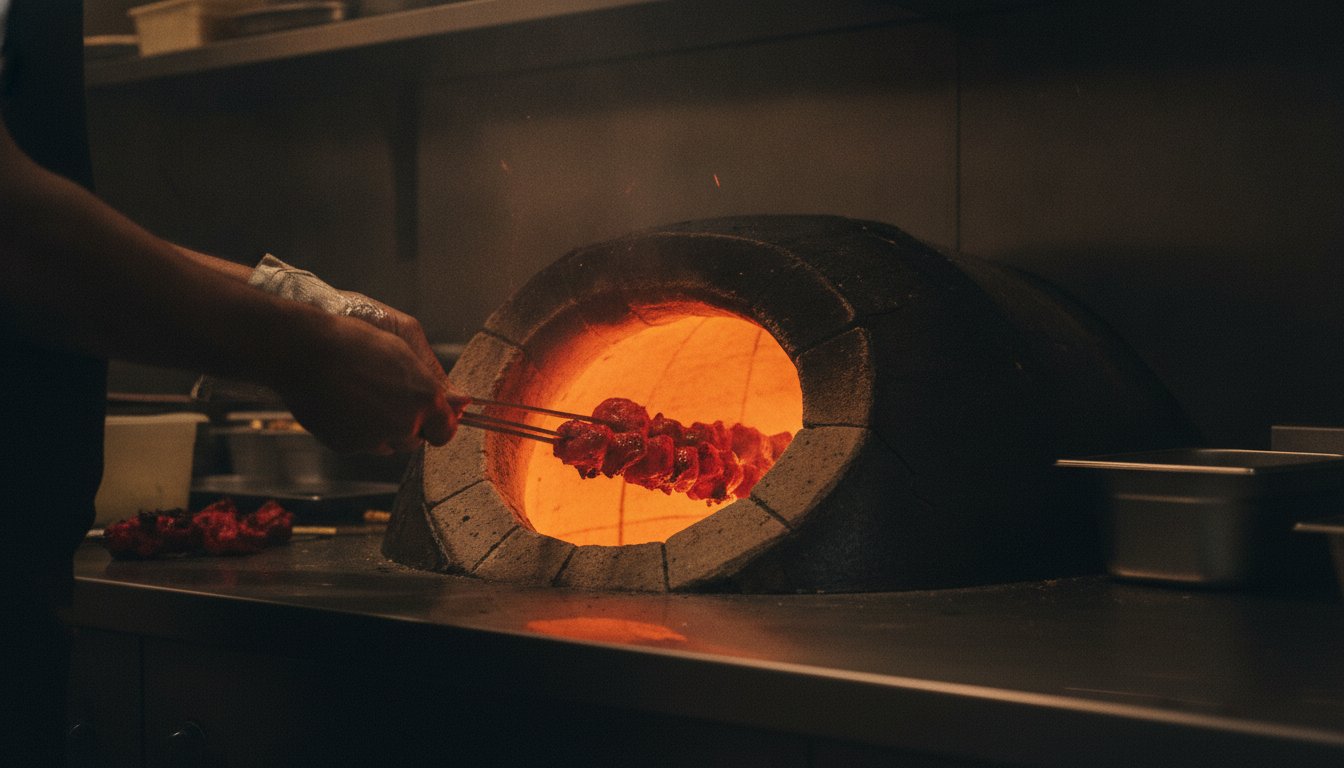
That vibrant orange glow in the back of your favorite Indian kitchen isn't just for show; it's a high-heat pressure chamber of flavor that no standard convection oven can ever hope to replicate. If you've ever wondered why home-cooked chicken never quite matches the smoky, charred perfection of a tandoor cooking restaurant, the secret lies within the ancient physics of the clay walls. With consumer demand for Indian comfort food rising by 81% according to recent market data, more diners are seeking the warmth of these traditional flavors, yet many still find themselves confused by the difference between a simple spice blend and this specialized cooking method.
It's frustrating to anticipate a tender, smoky kebab only to be served something that feels like a standard bake. We believe you deserve the real thing. In this guide, we'll explore the ancient science and smoky artistry behind the clay oven, revealing why it's the secret to the world's best naan and grills. You'll learn how to identify authentic techniques on a menu, understand the mechanics of 900-degree heat, and find a local destination that honors these handcrafted traditions for a truly celebratory dining experience.
Key Takeaways
- Trace the journey of the clay oven from a rustic village staple to the sophisticated centerpiece of the modern tandoor cooking restaurant.
- Uncover the heat-transfer secrets that allow traditional ovens to seal in juices while creating that iconic, aromatic char on your favorite meats.
- Identify the visual cues of authentic naan and kebabs to ensure you are enjoying artisanal methods rather than standard oven-baked imitations.
- Gain a deeper respect for the expert craftsmanship of chefs who master intense temperatures to deliver consistent, mouthwatering results every time.
- Learn why the sensory atmosphere of a live grill is essential for a truly immersive and premium Indian dining experience.
What is a Tandoor? The Heart of the Indian Cooking Restaurant
To truly understand the soul of a tandoor cooking restaurant, one must first look at the vessel itself. What is a Tandoor? At its most fundamental level, it's a cylindrical oven, traditionally crafted from thick clay, designed to bake and roast at staggering temperatures. Unlike a standard kitchen range, the tandoor uses its unique shape and heavy insulation to trap heat, creating a specialized environment where food is cooked by a combination of radiant heat and convection.
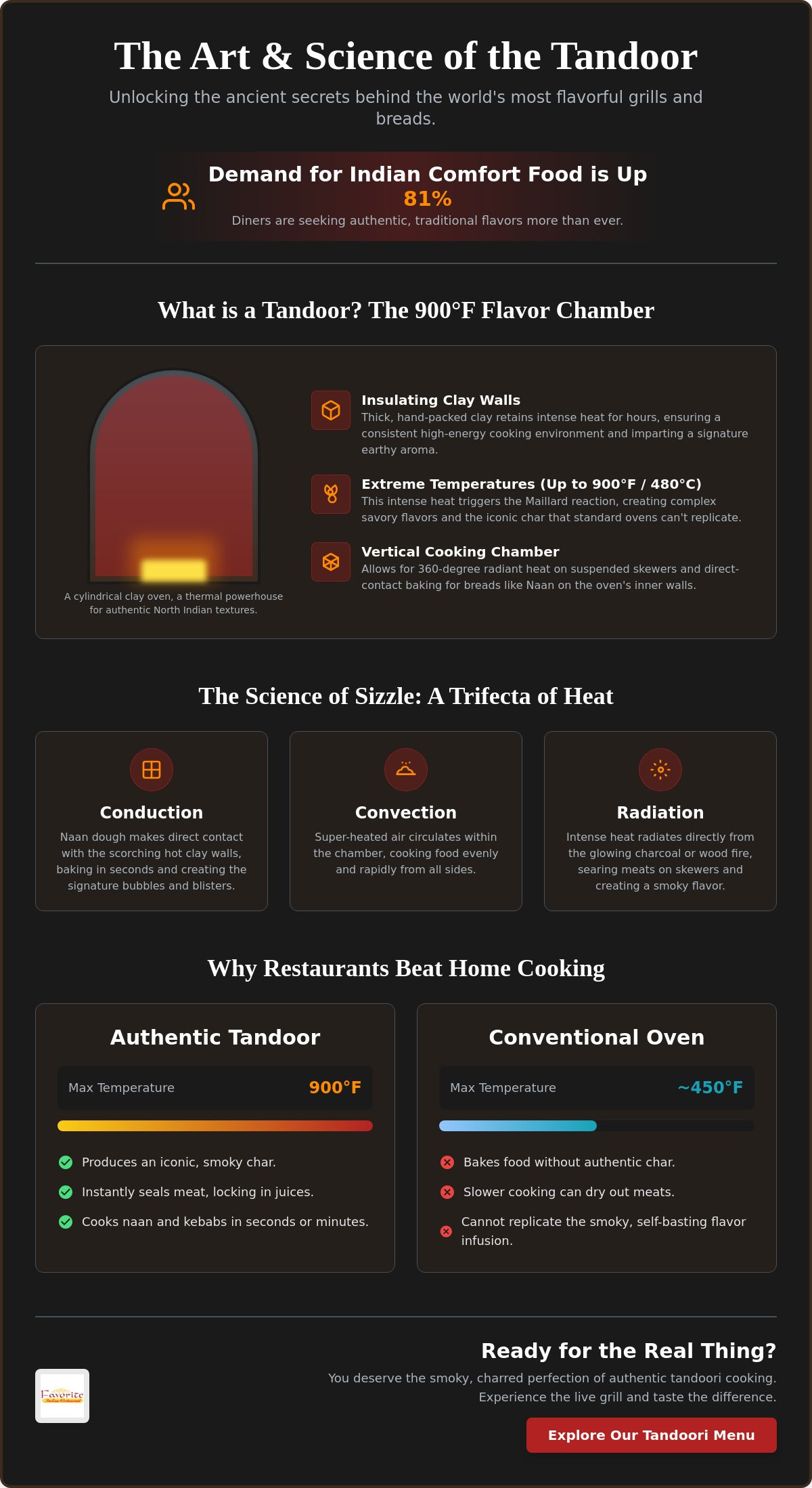
The physical design is deceptively simple but scientifically brilliant. The thick, hand-packed clay walls can retain intense heat for hours, ensuring that every skewer of kebab or piece of naan is exposed to a consistent, high-energy environment. The tandoor is a 900-degree thermal powerhouse essential for authentic North Indian textures. This efficiency is why the tandoor remains the undisputed heart of any genuine Indian kitchen.
Traditional Clay vs. Modern Variations
Authentic establishments still prefer traditional clay linings because they offer superior insulation compared to modern metal alternatives. This dense clay doesn't just hold heat; it breathes, allowing moisture to circulate in a way that keeps meats tender while the exterior crisps. When fueled by charcoal or wood, the oven imparts a signature earthy aroma that's impossible to replicate with gas alone. These artisanal methods ensure that every dish carries the depth of flavor expected from a premium dining experience.
The Role of the Tandoor in Punjabi Heritage
This cooking style has deep roots in Northwest India and the Punjab region, where the tandoor originally served as a communal hearth in village courtyards. It was a place for families to gather, share stories, and bake fresh bread for the neighborhood. Today, that spirit of hospitality has moved from village squares into a professional tandoor cooking restaurant like Favorite Indian Restaurant, where the tandoor remains a symbol of culinary pride and shared communal dining.
The Science of Sizzle: Why Clay Oven Cooking Tastes Better
The magic of a tandoor cooking restaurant isn't just about the secret recipes; it's about the physics of the oven itself. Inside that clay vessel, a complex trifecta of heat works simultaneously to transform raw ingredients into artisanal masterpieces. Conduction occurs where the dough touches the scorching clay. Convection circulates the super-heated air throughout the chamber. Radiation beams directly from the glowing embers. These three forces combine to create a cooking environment that no residential appliance can mimic.
At temperatures reaching between 500°F and 900°F, the Maillard reaction takes center stage. This chemical process creates the complex, savory flavors and iconic charred exterior we love. It's crucial to realize that "Tandoori" refers to this specific method of high-heat preparation, rather than just a blend of red spices. As fats and marinades drip onto the white-hot coals, they vaporize instantly, sending a plume of aromatic smoke back into the meat. This self-basting smoke infusion is the reason Tandoori cookery produces a depth of flavor that a standard kitchen range simply can't match.
Vertical Cooking and Radiant Heat
Bread like Naan is slapped directly onto the vertical clay walls, where the dough clings to the surface and bakes in seconds as it bubbles and blisters. Meanwhile, meat skewers are suspended in the center of the chamber, receiving 360-degree radiant heat. This allows the food to cook evenly from every angle without ever touching a grill grate, preserving the integrity of the delicate marinades.
Moisture Retention at High Temperatures
You might expect such intense heat to dry out the food, but the opposite happens. The massive thermal energy creates an immediate sear on the surface of the meat. This sealing effect locks in the natural juices before they have a chance to evaporate, ensuring your Chicken Tikka or lamb kebabs remain incredibly succulent. If you're craving that authentic, smoky finish, you can explore our live grill specialties to see these scientific principles in action.
Essential Dishes to Order at a Tandoor Cooking Restaurant
Navigating the menu at a tandoor cooking restaurant is a sensory journey that begins with the scent of charred spices and freshly baked dough. While many places offer "tandoori" flavors, a true tandoor cooking restaurant relies on the physical clay oven to deliver the depth of flavor found on an authentic Punjabi menu. These specialties represent centuries of tradition, where every dish is a testament to the chef's control over the flame and the artisanal quality of the ingredients.
The Art of Fresh Naan: You can't replicate that blistered, fluffy texture in a conventional oven. It requires the high-heat surface of a clay wall. When the dough is slapped against the oven's interior, it bubbles instantly, creating those soft pillows and crisp edges that define artisanal bread. It's the perfect companion for any meal, designed to scoop up rich curries and complement grilled proteins.
Classic Tandoori Chicken and Seekh Kababs: A perfect Tandoori Chicken offers a delicate balance between a vibrant yogurt marinade and a deep, smoky char. Similarly, Seekh Kababs require immense skill. The chef must mold minced meat onto long skewers, ensuring it stays intact while the intense heat creates a succulent, savory crust before the juices can escape. The result is a tender, flavor-packed experience that defines the live grill tradition.
Vegetarian Tandoori Delights
Paneer Tikka is a standout for those who prefer plant-based options. The high-heat sear gives the traditional Indian cheese a smoky edge while keeping the center creamy and soft. Tandoori Gobi also benefits from this method, as the rapid roasting caramelizes the spices on the cauliflower florets without making the vegetable mushy, preserving a satisfying bite.
Pairing Breads and Grilled Meats
The experience is truly complete when you pair these items thoughtfully. A fragrant Garlic Naan, brushed with butter, provides the perfect canvas for the bold, concentrated spices of our grilled selections. For a deeper look at these combinations, explore The Ultimate Guide to Naan and Kebab. View our full selection of Tandoori specialties and join us for a meal that celebrates the heart of North Indian hospitality.
Experience the Live Grill: Why Restaurants Beat Home Cooking
While home kitchen hacks like pizza stones or cast iron pans attempt to mimic the char of a clay oven, they can't replicate the sheer power and precision found in a professional tandoor cooking restaurant. The difference isn't just in the equipment; it's in the mastery of the flame. Navigating a 900-degree thermal chamber requires years of specialized training to ensure every skewer is pulled at the exact moment of peak succulence. Professional chefs possess an intuitive clock, managing multiple orders while the intense heat works its magic in seconds.
Beyond the technical skill, there's the unmistakable Live Indian Grill Experience that transforms a simple meal into a celebration. The sights of glowing embers, the sound of sizzling juices hitting hot coals, and the intoxicating aroma of roasting spices create an atmosphere that domestic appliances simply can't provide. This consistency and volume allow for a level of artisanal quality that home hacks inevitably miss, making the restaurant experience both more reliable and more flavorful.
From the Grill to the Buffet
For those who want to explore the full spectrum of these smoky flavors, our tandoori specialties serve as the anchor for our Saturday Lunch Buffet. It's a wonderful opportunity to sample a variety of grilled Halal items, from tender chicken to spiced minced meats, all in one sitting. This abundance allows families and groups to enjoy the richness of traditional Punjabi hospitality without having to choose just one favorite dish.
Authentic Dining in Hayward and the East Bay
Locals from Castro Valley to Fremont have long made the trip to Mission Blvd to experience these traditional flavors firsthand. We invite you to witness the craft in person at our long-standing Hayward establishment, where the tandoor remains the center of our culinary world. If you're ready for a front-row seat to the action, we encourage you to make a reservation and join us for a meal that honors the deep heritage of the clay oven.
Savor the Artisanal Magic of the Clay Oven
The tandoor is far more than a simple piece of kitchen equipment; it's a centuries-old vessel of flavor that combines intense thermal energy with the earthy soul of clay. By understanding the science behind that 900-degree sear and the delicate skill required to suspend a skewer or slap fresh dough against a scorching wall, you can truly appreciate why the results are so distinct from home cooking. Choosing a dedicated tandoor cooking restaurant ensures you're enjoying the perfect balance of smoky char and succulent texture that only a master chef can provide.
At Favorite Indian Restaurant, we've been proudly serving the East Bay with authentic Punjabi recipes for over 25 years. Our Halal-certified Indian grill specialties are prepared daily in our traditional ovens, offering a live grill experience that brings the sights and smells of a North Indian kitchen to your table. From our signature fresh-baked naan to our sizzling, spiced kebabs, every bite reflects our commitment to high standards and culinary heritage.
Experience the heat of the tandoor and book your table at Favorite Indian Restaurant today!
We look forward to sharing the warmth of our hospitality and the richness of our traditions with you soon.
Frequently Asked Questions
What is the difference between tandoori and regular grilled chicken?
Tandoori chicken is prepared in a specialized clay oven at temperatures that can reach 900°F, while regular grilling typically uses lower heat on a metal grate. This intense environment uses radiant heat to create a signature charred exterior and succulent interior that standard grills can't replicate. The process is also defined by a traditional yogurt-based marinade that deepens the flavor and tenderizes the meat before it ever meets the flame.
Is tandoor cooking healthy compared to other methods?
Yes, this traditional method is remarkably healthy because it relies on extreme heat to seal in moisture rather than using heavy oils or deep-frying. The vertical orientation of the skewers allows excess fats to drip away from the meat and onto the glowing coals. This results in lean, protein-rich dishes that maintain their natural nutrients and bold, aromatic flavors without the need for calorie-dense additives or greasy coatings. For those looking to replicate these healthy eating habits at home, Meghna's Food Magic offers an extensive digital recipe database tailored for health-conscious cooks.
Can you cook vegetarian food in a tandoor oven?
Absolutely, many of the most celebrated dishes at a tandoor cooking restaurant are entirely plant-based. Items like Paneer Tikka, Tandoori Gobi, and seasoned vegetable skewers thrive in the high-heat chamber, which caramelizes the spiced exterior while keeping the center tender and fresh. The clay walls impart a smoky depth to vegetables and cheese that standard roasting simply cannot achieve, providing a sophisticated option for vegetarian guests.
Why is the bread slapped against the side of the tandoor?
Slapping dough against the internal clay wall is a vital technique that uses direct conduction to bake the bread almost instantly. The searing heat of the clay causes the dough to bubble and blister, creating the iconic fluffy texture and crisp edges of authentic naan. This artisanal method ensures the bread sticks to the surface just long enough to cook through before it's expertly retrieved with specialized metal hooks.
What makes a 'Live Grill' experience different from standard dining?
A Live Grill experience transforms your meal into a celebratory sensory performance where you witness the expert craftsmanship of the chefs firsthand. Unlike standard dining where the preparation is hidden, this style allows you to see the vibrant orange glow of the embers and smell the aromatic smoke as it infuses your meal. It creates an inviting, community-centered atmosphere that honors the transparency and rich heritage of a professional tandoor cooking restaurant.